 Dead as Disco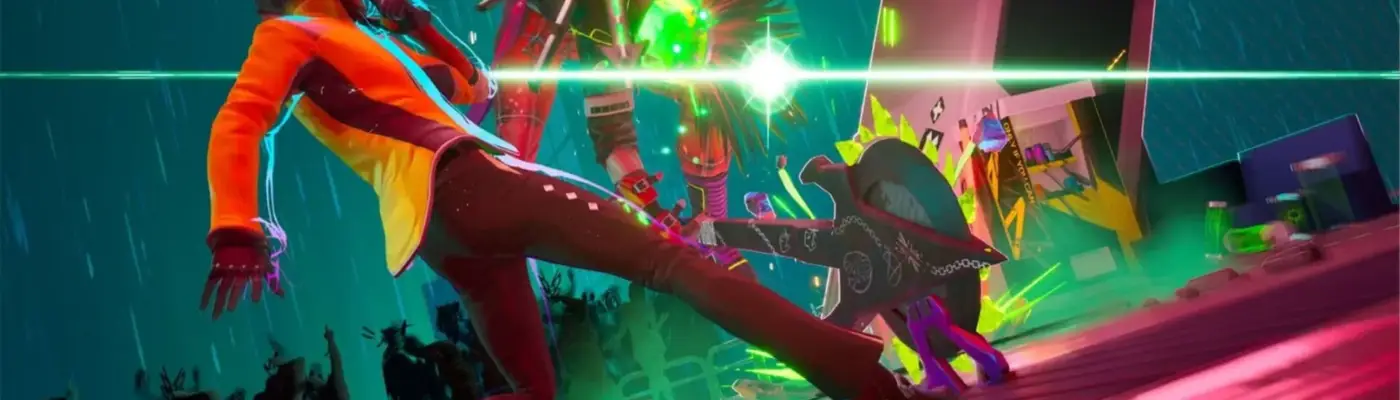
Dead as Disco
2 Mods 0 Tools 0 Articles 33 Downloads
Dead as Disco is a stylish rhythm action video game that blends beat ’em up combat, martial arts energy, neon visuals, music video flair, and a revenge-driven story into one loud, colorful, and fast-moving indie action experience. In this Dead as Disco article, we are looking at what makes the game stand out, from its music-synced fighting system and single-player story to its custom music features, flashy boss battles, rockstar fashion, and chaotic world of fame, betrayal, and rhythm-based combat. The game places players in the shoes of Charlie Disco, a fallen musical icon who returns for one unforgettable night to face the Idols, his former bandmates turned larger-than-life rivals. With its Early Access launch, PC release, original soundtrack, licensed songs, controller support, custom challenges, and bold arcade-style action, Dead as Disco feels like a video game made for players who want every dodge, punch, kick, and combo to land with style. It is not just about winning fights. It is about performing them.
What Is Dead as Disco?
Dead as Disco is a rhythm-focused beat ’em up where combat and music work together. Instead of simply button-mashing through enemies, players are encouraged to move with the beat, strike with timing, and treat each battle like a performance. The result is an action game that feels part brawler, part concert, and part interactive music video.
At its core, the game follows Charlie Disco, the late drummer of the legendary band named Dead as Disco. After years of silence, the surviving members of the band are set to reunite for a concert honoring Charlie. That sounds emotional enough, but the twist is sharper than a guitar solo. Charlie gets a second chance to return, confront the Idols, and uncover what really happened in the past.
The setup gives the game a strong identity. It is not only a rhythm game with combat mechanics. It is also a story about revenge, fame, broken friendships, music culture, and unfinished business.
Story And Setting
The story of Dead as Disco is built around reunion, revenge, and redemption. Charlie Disco is not coming back for a quiet goodbye. He is stepping back into a world full of ego, stage lights, secrets, and old wounds. His former bandmates have become the Idols, huge musical figures with their own styles, personalities, and power. This gives the game a natural structure. Each Idol can feel like both a boss fight and a chapter in Charlie’s past. Instead of fighting random enemies in empty arenas, the player is moving through a world shaped by music, fame, betrayal, and performance.
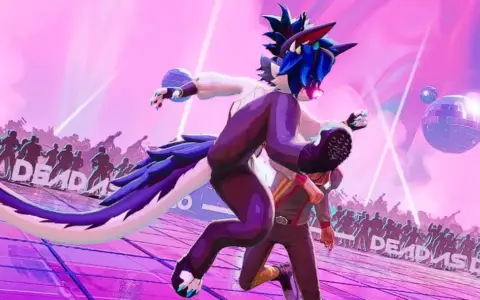
The setting leans into big visual energy. Bright colors, heavy rhythm, music video staging, and stylish character designs give Dead as Disco a clear personality. It is dramatic, playful, loud, and theatrical in the best way.
Gameplay And Combat
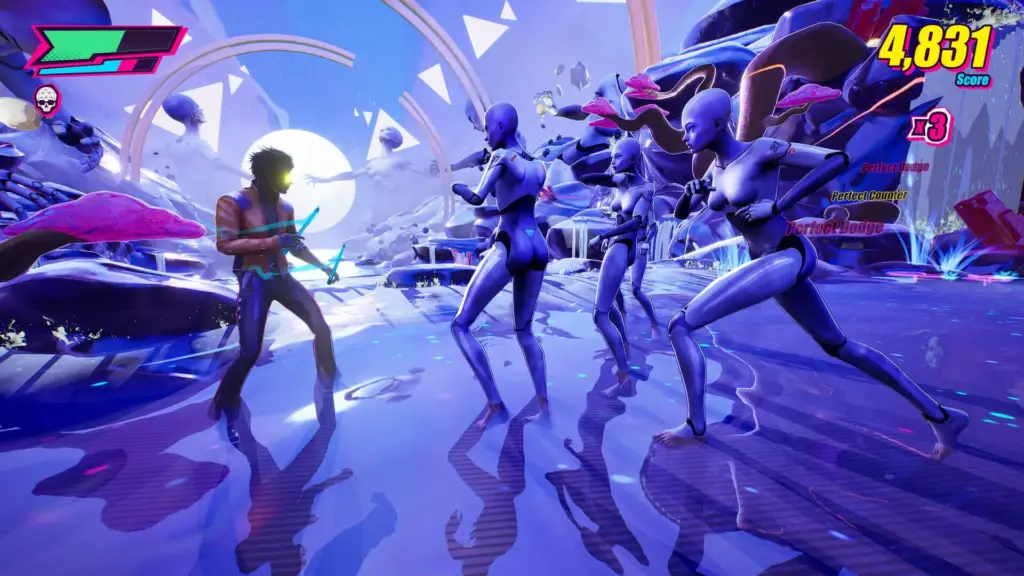
The combat in Dead as Disco is built around rhythm. Attacks, dodges, takedowns, and combos are designed to match the music, which makes every encounter feel more alive. When the player follows the beat, fights become smoother, flashier, and more satisfying. This is where the game separates itself from a standard action brawler. In many beat ’em up games, success comes from quick reactions and smart positioning. Dead as Disco adds another layer by asking players to listen. The music is not just background noise. It becomes part of the fight. That rhythm system also gives combat a strong sense of flow. A good fight can feel like choreography. You hit, dodge, move, and strike again while the track pushes everything forward. It rewards timing without making the experience feel too stiff or mechanical.
Music Is The Heart Of The Game
Music is not a side feature in Dead as Disco. It is the heart of the whole experience. The game includes a multi-genre soundtrack, which helps each fight feel different and gives the world a stronger sense of personality. Since the game is about bands, Idols, concerts, and musical identity, the soundtrack does more than support the action. It helps tell the story.
One of the most exciting ideas is the ability to bring your own music into the game. This feature gives players a way to create custom music-synced challenges using songs from their own library. That means the experience can keep changing depending on what players want to hear, fight to, and experiment with.
For players who love rhythm games, this is a big hook. For action fans, it adds replay value. For content creators, it opens the door to creative runs, funny challenges, and stylish gameplay clips.
Charlie Disco As The Main Character
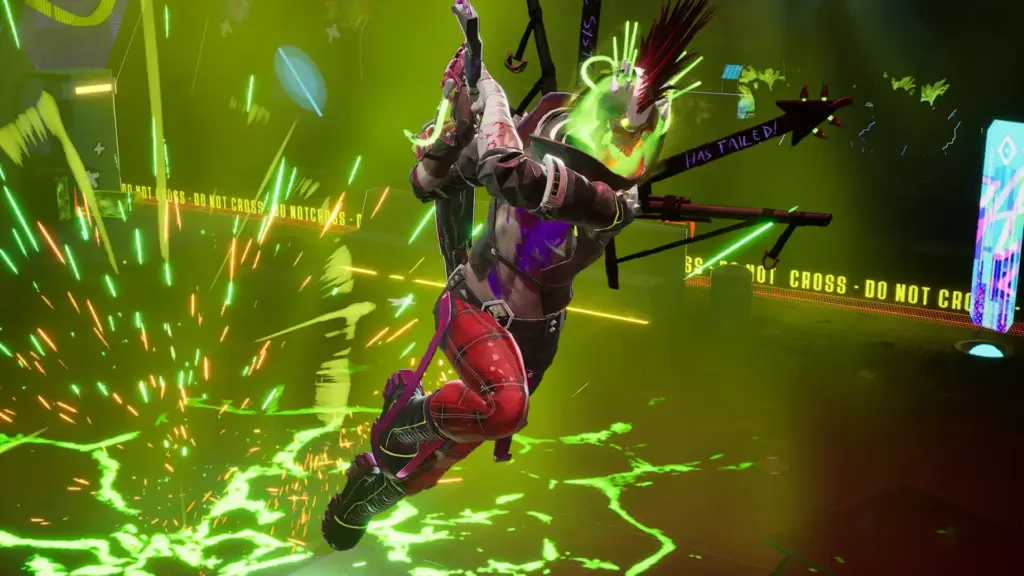
Charlie Disco is a great fit for this kind of game because he is both a fighter and a performer. He is not just a silent action hero moving through levels. His story is tied directly to the world, the music, and the people he is fighting. Playing as Charlie gives the combat emotional weight. Every Idol represents more than a boss. They are part of his history. Every stage feels like another piece of the mystery. Every confrontation brings Charlie closer to the truth behind his death and the collapse of the band.
That kind of setup makes Dead as Disco feel more memorable than a simple arena-based rhythm fighter. It gives players a reason to care about what happens after the next song ends.
The Idols And Boss Battles
The Idols are one of the most important parts of Dead as Disco. They are Charlie’s former bandmates, but they have become something much bigger and stranger. Each one brings a different flavor to the game, with distinct themes, styles, and musical identities.
A rhythm action game needs strong bosses because the best fights should feel like major performances. In Dead as Disco, a boss battle can work like the final number of a music video. The enemy is not only trying to defeat you. They are trying to outshine you.
That idea fits perfectly with the game’s world. Fame is power. Style matters. Music is a weapon. Winning means more than surviving. It means stealing the spotlight back.
Visual Style And Atmosphere
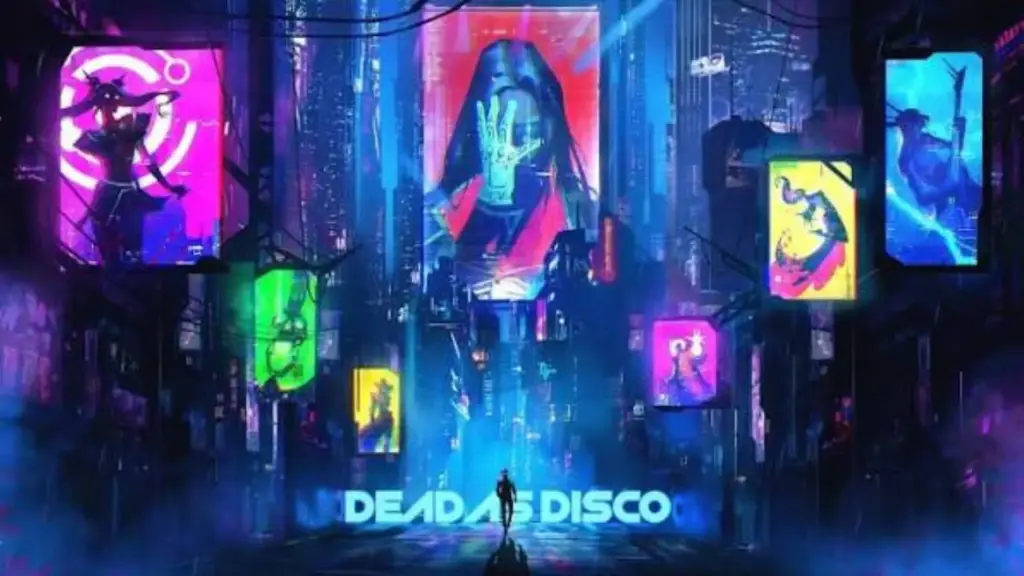
Dead as Disco has a neon-drenched look that immediately tells players what kind of ride they are getting. The game feels bold, colorful, and full of motion. It does not aim for quiet realism. It aims for impact.
The visual style supports the rhythm combat nicely. Bright effects, dramatic staging, and stylish character movement help make battles feel like performances. When the music, animation, and action all line up, the game can feel like a playable concert scene.
This kind of presentation is important for a rhythm beat ’em up. If the combat is about timing and style, the visuals need to make every hit feel satisfying. Dead as Disco understands that. It wants the player to look cool while fighting well.
Customization And Rockstar Fashion
Customization adds another layer of personality to Dead as Disco. Players can collect outfits, accessories, dance moves, and other stylish rewards. This fits the game’s rockstar theme perfectly because appearance is part of the fantasy. In many action games, customization is just a bonus. Here, it feels tied to the world. Charlie is not only fighting. He is making a comeback. Looking bold, strange, flashy, or iconic is part of the fun. The game also lets players restore and customize a music club and bar space. This gives the experience a home base feeling and adds more reasons to explore, collect, and keep playing.
Game Modes And Replay Value
Dead as Disco has strong replay potential because of its rhythm-based combat, custom music tools, and challenge-focused structure. Story Mode gives players the main journey, while other modes can keep the action going after the main path. Infinite Disco and Free Play style features are especially useful for players who want to test skills, chase scores, or create their own combat rhythm experiences. When you combine that with custom music, the game becomes much more flexible than a fixed soundtrack action title.
That flexibility matters. A player might return to the game because they want to master a boss, try a new track, experiment with a different build, or simply enjoy a flashy fight to a favorite song.
Why Dead as Disco Stands Out
The biggest reason Dead as Disco stands out is its confidence. It has a clear idea of what it wants to be. It wants to be loud, stylish, musical, dramatic, and fun. It does not treat rhythm as a small gimmick. It builds the whole game around the feeling of fighting inside a music video. The game also has a strong mix of familiar and fresh ideas. Beat ’em up fans get close-range action. Rhythm fans get timing-based gameplay. Indie game fans get creative style and personality. Music lovers get a soundtrack-driven experience with room for custom tracks. That combination gives Dead as Disco a strong place in the modern indie action scene.
Who Should Play Dead as Disco?
Dead as Disco is a strong match for players who enjoy rhythm games, stylish action, beat ’em up combat, boss battles, and music-heavy experiences. If you like games where timing matters and presentation is a big part of the fun, this one should be on your radar.
It is also a good fit for players who enjoy expressive games. The fashion, music, combat flow, and custom challenge tools all make the game feel personal. You are not just clearing levels. You are building a performance.
Players who prefer slow, quiet, realistic games may not connect with its loud personality. But for anyone who wants a video game with rhythm, attitude, color, and stage presence, Dead as Disco has a lot to offer.
Early Access And Future Potential
Because Dead as Disco is an Early Access game, players should expect the experience to grow over time. Early Access can include changes, new content, balance updates, extra features, and improvements based on community feedback. That fits this game well. A music-driven action game can benefit a lot from player input, especially when it comes to song support, challenge design, accessibility, combat feel, and replay features. If the developers continue expanding the game with more bosses, tracks, skills, modes, and customization, Dead as Disco could become even stronger. For now, the important thing is that the foundation is already interesting. The concept is clear. The style is memorable. The gameplay hook is easy to understand and exciting to try.
Latest Mods
View All → Dead as Disco 
 Dead as Disco