 Deadlock
Deadlock
10 Mods 1 Tools 0 Articles 127 Downloads
Deadlock: Valve’s Supernatural Hero Shooter Built Around Skill And Strategy brings together the precise gunplay of a third-person shooter, the tactical depth of a MOBA, and the personality-driven combat of a hero-based multiplayer game. Developed by Valve, Deadlock drops two teams into a strange urban battlefield filled with guarded lanes, powerful defensive structures, upgradeable heroes, dangerous abilities, and constant opportunities for coordinated attacks. Instead of relying only on fast aim, players must collect Souls, improve their builds, control important areas, support teammates, push objectives, and understand when to attack or retreat. The result is a competitive experience that can feel immediately exciting while still offering enough strategy to reward hundreds of hours of practice. Its invite-based Steam playtest has already attracted players interested in hero shooters, online action games, lane-based combat, character abilities, team strategy, item builds, and high-skill movement. Although Deadlock remains in development and many parts of the game may continue changing, its unusual combination of shooting, mobility, supernatural powers, resource management, and objective-focused teamwork gives it a clear identity. Every match becomes a contest of mechanical skill and decision-making, where one well-timed rotation, ultimate ability, defensive stand, or coordinated push can completely change the outcome.
A New Kind Of Multiplayer Battle
Deadlock does not fit neatly into a single genre. It looks like a third-person shooter when the action begins, but its deeper structure follows many ideas commonly found in multiplayer online battle arena games.
Players enter a large map divided into lanes. Each lane contains waves of allied and enemy units, defensive structures, and pathways leading toward the opposing base. You must help your units advance while preventing the enemy team from doing the same.
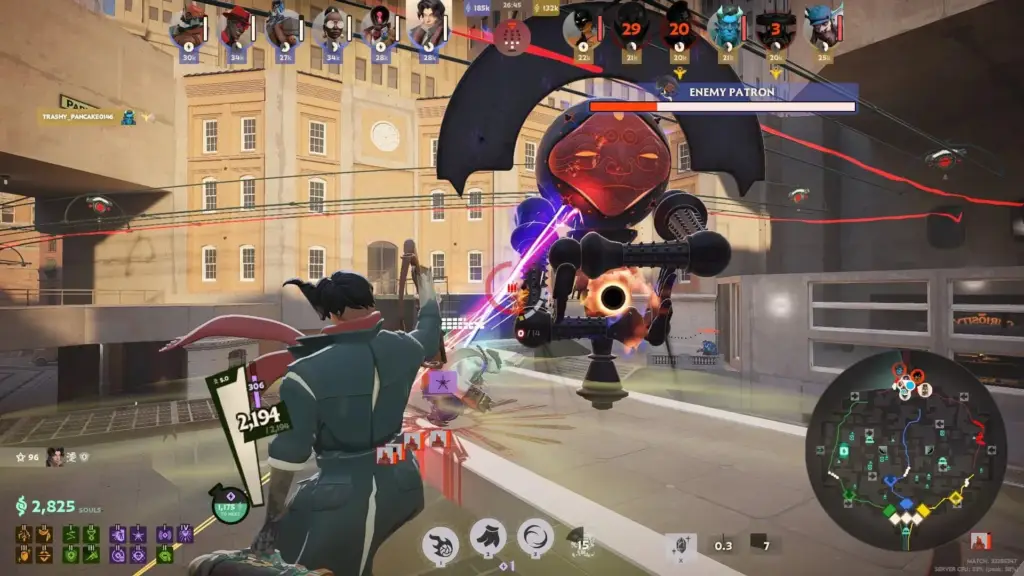
This creates two connected layers of gameplay. The first is direct combat, where aiming, dodging, positioning, and ability usage determine who survives an encounter. The second is strategic control, where players manage lanes, collect resources, purchase upgrades, rotate across the map, and pressure major objectives.
Ignoring either layer can quickly create problems. A talented shooter player may win several duels but fall behind after neglecting resources. A highly strategic player may understand every objective but struggle when an enemy forces a close-range fight. Success comes from balancing both sides.
The Core Match Flow
A match of Deadlock usually begins with players moving into lanes and contesting early resources. This opening stage allows each hero to build strength while testing the opposing player’s aggression, positioning, and mechanical ability.
Players defeat enemy units to earn Souls, the main resource used for character upgrades and item purchases. Securing these resources efficiently is important because stronger items can increase weapon damage, survivability, movement, ability power, or utility. Missing too many early opportunities may leave a hero noticeably weaker during the first major team fights.
As the match continues, the battlefield becomes less predictable. Players begin leaving their original positions to assist teammates, hunt isolated enemies, defend threatened structures, or create pressure elsewhere. Small lane encounters grow into large battles involving several heroes and overlapping abilities.
The late game focuses heavily on coordinated pushes and base defense. Teams must decide whether to fight directly, create pressure across multiple lanes, collect additional resources, or wait for an enemy mistake. One careless defeat can open enough space for the opposing side to destroy important objectives.
Heroes With Distinct Combat Identities
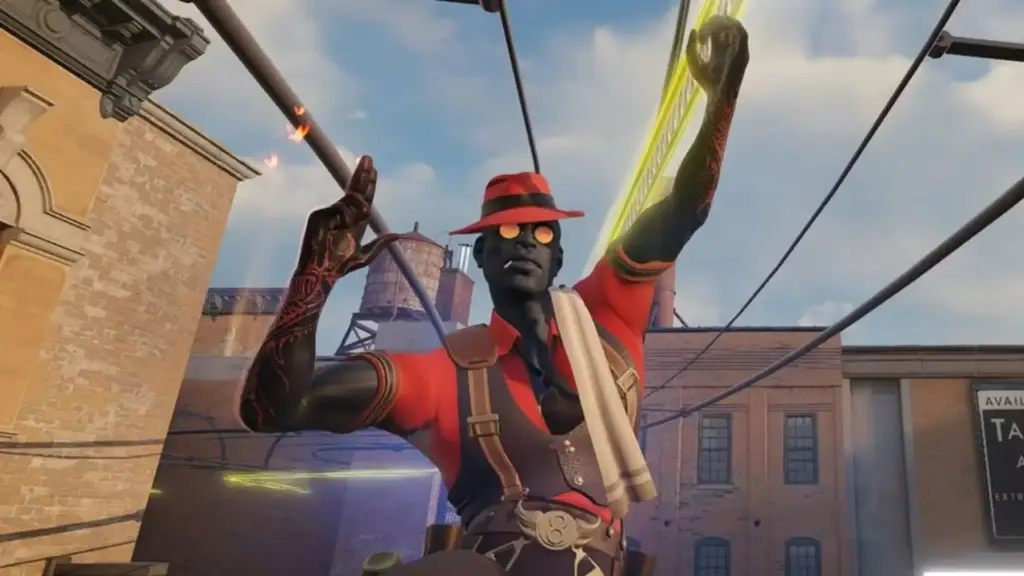
Every playable hero in Deadlock has a unique collection of weapons, abilities, strengths, and weaknesses. Some heroes perform well when fighting from a safe distance, while others become dangerous after closing the gap. Certain characters specialize in controlling space, protecting allies, setting traps, disrupting movement, or delivering sudden bursts of damage.
This variety gives players room to discover a personal style. Aggressive players may prefer heroes capable of diving into a battle and forcing immediate reactions. More patient competitors might enjoy controlling narrow paths, supporting teammates, or punishing enemies who move too far away from safety.
A hero’s starting kit does not completely determine how that character must be played. Items can strengthen different parts of the kit, allowing players to adjust their approach during a match. A character might focus on weapon damage in one game and ability power in another, depending on the enemy team, current objectives, and preferred strategy.
Learning a hero involves more than memorizing four abilities. Players must understand effective ranges, cooldown timing, movement options, favorable matchups, and the situations where each ability creates the most value.
Lane Pressure And Soul Management
Souls are central to progression in Deadlock. Gathering them allows players to purchase upgrades and remain competitive as enemy heroes grow stronger.
However, resource collection involves more than simply defeating units. Players must remain aware of enemy pressure while securing Souls and preventing opponents from gaining the same advantage. This creates constant tension during the lane phase. Moving forward may offer more control, but it also creates opportunities for the enemy to attack.
Good players learn to manage several responsibilities at once. They watch unit health, maintain safe positioning, track opposing abilities, protect their own resources, and look for chances to pressure the enemy hero.
Lane control also affects the wider map. Pushing a lane can force opponents to return and defend, giving your team space to attack elsewhere. Leaving a lane unattended for too long may allow enemy units to damage structures without direct hero support.
The strongest teams do not treat resource farming and objective pressure as separate activities. They use each to create the other.
Movement That Rewards Practice
Movement gives Deadlock much of its speed and personality. Players can use jumps, slides, dashes, elevated routes, and other traversal options to move through the battlefield.
These mechanics make positioning more expressive than simply walking between cover points. An experienced player can escape danger, reach a teammate, chase a weakened opponent, or approach a fight from an unexpected direction.
Fast movement is not automatically good movement. Using every mobility option at once may leave a hero without an escape when the enemy responds. Skilled players save certain actions for the correct moment and think about where they will land before committing.
Map knowledge also improves movement. Learning rooftops, side paths, corners, vertical routes, and safe retreat areas can make a major difference during a close fight. A player who understands the environment often appears faster because every movement has a clear purpose.
Teamwork Matters More Than Individual Statistics
Personal eliminations can feel satisfying, but Deadlock is fundamentally built around team objectives. A player with impressive combat statistics can still lose after ignoring lane pressure, defensive responsibilities, or group positioning.
Communication helps teams decide where to focus their attention. A simple warning about a missing opponent can protect a teammate from an ambush. Calling for a combined push may allow several players to overwhelm an objective before the enemy team organizes a defense.
Good teamwork also requires awareness without constant discussion. Players should regularly check the map, notice which lanes are advancing, and recognize when teammates are preparing to engage. Moving toward a battle before it begins is usually more effective than arriving after everyone has been defeated.
Not every hero needs to perform the same role. One player may initiate the fight, another may protect the back line, and a third may control escape routes. The best team battles happen when these responsibilities support one another.
Items And Builds Shape Every Match
The item system allows players to improve different parts of their hero throughout a match. Weapon upgrades can increase shooting effectiveness, while vitality-focused options improve durability or recovery. Spirit-related purchases generally strengthen abilities and supernatural effects.
Choosing an item should depend on more than a popular build guide. Players need to consider the current match. If an enemy hero repeatedly escapes with little health, additional mobility or finishing power may help. If a powerful opponent is eliminating everyone quickly, defensive upgrades could provide more value than another damage increase.
Flexible builds make matches feel different even when using the same hero. You may dominate the early game in one round and need to play carefully in the next. Your purchases should reflect that changing situation.
Community builds can provide a helpful starting point, especially for beginners. However, understanding why each item is selected will eventually become more valuable than copying the same order in every game.
The Supernatural Streets Of The Cursed Apple
The setting helps Deadlock stand apart from more traditional military shooters and brightly colored science-fiction games. Its world mixes early twentieth-century city architecture with occult rituals, strange technology, mysterious creatures, and supernatural heroes.
Battles unfold across streets, buildings, tunnels, rooftops, and unusual urban spaces. Familiar city elements are transformed by magical details and unsettling forces. This combination creates an atmosphere that feels stylish without losing the readable structure required for a competitive multiplayer game.
The heroes also contribute to the world’s personality. Their weapons and powers appear connected to the setting rather than added randomly. Firearms, magical abilities, unusual inventions, and paranormal effects exist side by side.
Because the game is still being developed, visual details, character designs, environments, and interface elements may continue changing. Even so, the central supernatural city concept already provides a strong foundation for future stories, heroes, maps, and events.
A Learning Curve That Feels Rewarding
New players may initially find Deadlock overwhelming. A match includes shooting mechanics, abilities, item choices, lane management, map awareness, resource collection, movement techniques, and team objectives.
Trying to master everything immediately can create unnecessary frustration. It is better to focus on one or two skills during each match. A beginner might first practice collecting Souls safely. The next goal could be watching the map more frequently or learning when to return to the shop.
Progress becomes noticeable over time. Abilities that once felt difficult to use begin fitting naturally into combat combinations. Enemy attacks become easier to anticipate. Item descriptions start making sense, and the map becomes a collection of useful routes rather than an unfamiliar maze.
The game rewards knowledge without making mechanical skill irrelevant. Strong aim helps, but intelligent positioning can defeat reckless aggression. A clever build can solve a difficult matchup, while effective communication can overcome an individually stronger opponent.
Current Access And Release Status
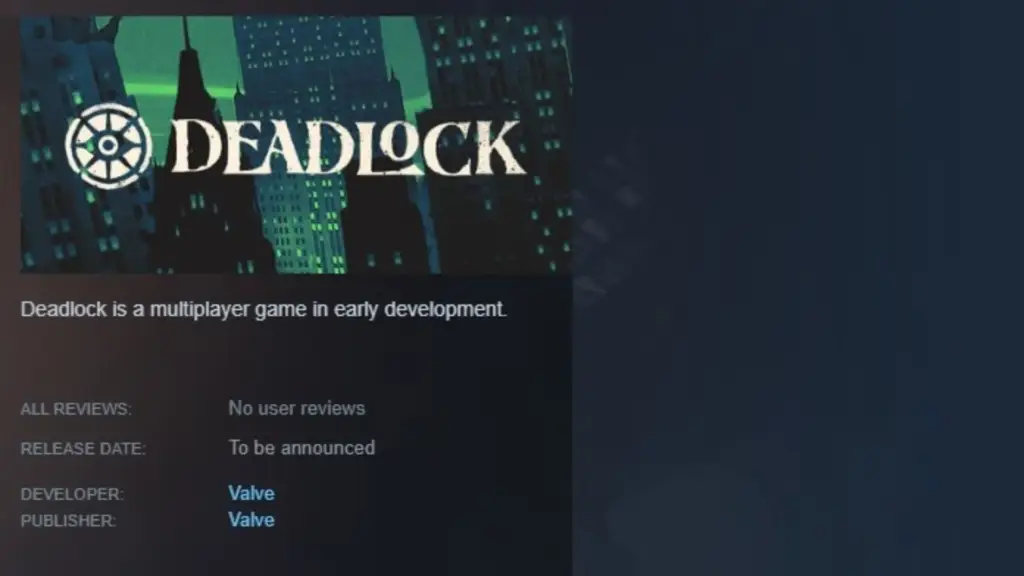
Deadlock is still officially described as a game in early development. Access remains limited, and Valve has not announced a final release date.
This means the current experience should not be viewed as a finished product. Temporary artwork, experimental gameplay systems, incomplete features, balance problems, and substantial updates are all possible.
Players interested in joining should use legitimate Steam-based access methods and avoid suspicious websites claiming to sell guaranteed keys. An invitation from an eligible playtester does not mean that outside sellers are authorized to charge money for access.
Anyone unable to enter the playtest can add the game to their Steam wishlist and follow official announcements. Waiting may also provide a smoother first experience as Valve continues refining matchmaking, progression, balance, visuals, and general performance.
Latest Mods
View All → Deadlock 
 Deadlock
  Deadlock
  Deadlock
 Latest Tools
View All → Tool Deadlock