 People Playground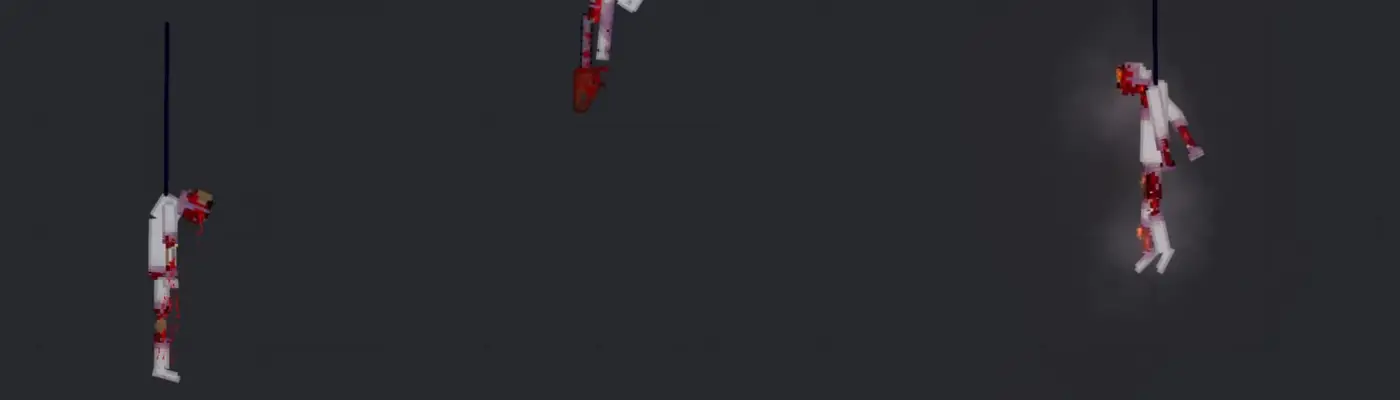
People Playground
7 Mods 0 Tools 0 Articles 146 Downloads
In People Playground, the keyword people playground defines a 2D physics sandbox video game that centers on experimentation, destruction, and simulation mechanics. People Playground is a 2D physics sandbox game where players manipulate ragdoll characters, tools, weapons, and environmental systems in open-ended scenarios. It focuses on realistic physics interactions, allowing controlled tests, large-scale setups, and complex chain reactions inside a simple pixel-art environment.
The article explores how People Playground structures its gameplay, from its core systems and entities to its wide selection of tools and objects, along with the strong community and modding support that expand its content. It outlines how the game operates, what players can build inside its sandbox, and how its design encourages structured experimentation without fixed objectives.
Game Overview
People Playground centers on physics-driven experimentation, open-ended construction, and systemic interaction between objects and humanoid ragdolls. It provides detailed tools for building scenarios, testing reactions, and manipulating environments across multiple maps.
Core Gameplay Concepts
People Playground focuses on 2D physics simulation where players spawn humanoid figures and interact with them using a wide catalog of tools, weapons, machinery, and environmental objects. Each entity follows consistent physical rules such as weight, force, temperature, and electrical conductivity.
Players drag, connect, rotate, and activate items in real time. They can attach wires to power sources, link mechanical components with pistons, or trigger explosives through switches and timers.
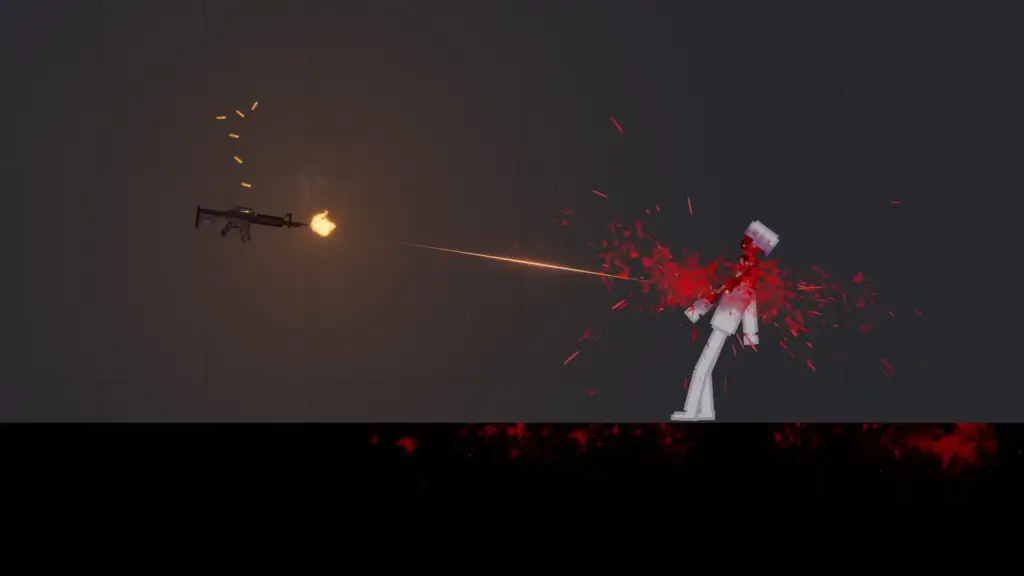
Damage modeling plays a central role. Characters respond to blunt force, piercing, burning, freezing, and electrical shock with visible physical reactions.
The game does not assign structured missions. It emphasizes experimentation, allowing players to create controlled tests, elaborate machines, or chaotic scenarios using the same core systems.
Sandbox Mechanics
The sandbox structure gives full control over object placement and environmental setup. Players choose from multiple maps, each offering different layouts, obstacles, and spatial constraints.
Construction relies on a straightforward interface. Objects snap into position, freeze in place, or remain dynamic depending on user input. A context menu system enables fine adjustments such as resizing, modifying properties, or toggling activation states.
Key sandbox tools include:
- Wiring system for electrical circuits
- Activation triggers like buttons and timers
- Mechanical joints for building vehicles or contraptions
- Temperature sources including fire and cooling devices
The Steam Workshop integration expands the sandbox further. Players download community-created vehicles, structures, weapons, and scripted items, then modify them inside their own scenarios.
Platform Availability
People Playground is available on:
| Platform | Distribution Method |
|---|---|
| PC | Steam |
The game runs on Windows through Steam and supports user-generated content via the Steam Workshop.
It uses modest system requirements, focusing on CPU-based physics calculations rather than high-end graphical performance. Regular updates refine mechanics, expand item libraries, and adjust stability based on community feedback.
Unique Features
People Playground centers its design on systemic physics, reactive maps, and deep player control over objects and characters. Every tool, structure, and device interacts through consistent rules that govern weight, force, heat, pressure, and structural integrity.
Physics Engine Details
The physics engine in People Playground simulates real-time interactions between rigid bodies, soft connections, and environmental forces. Objects respond to gravity, momentum, friction, and impact damage in predictable ways. When players attach components with wires, ropes, or rods, the system calculates tension and stress based on movement and weight distribution.
Damage modeling plays a key role. Characters have internal structures that react to blunt force, piercing objects, temperature changes, and electrical shocks. Fire spreads according to contact and flammable materials, while liquids flow and apply pressure inside confined spaces.
The game also supports mechanical logic through buttons, timers, pistons, and motors. Players build machines that rely on torque, rotation speed, and collision responses. This consistency allows complex contraptions to function without scripted behavior.
Interactive Environments
Each map in People Playground acts as a physical sandbox rather than a static backdrop. Walls block projectiles, floors support weight differently depending on material, and large open spaces allow vehicles and flying machines to operate freely.
Environmental hazards affect gameplay directly. Players can use:
- Water to extinguish fires or conduct electricity
- Explosives to alter terrain layouts
- Moving platforms to test mechanical stability
- Confined chambers to experiment with pressure and force
Lighting and visibility also influence setups. Dark environments require artificial light sources, which can break or overheat. This design encourages experimentation within spaces that actively respond to player actions instead of remaining decorative.
Customization Options
People Playground offers extensive customization through its built-in spawning tools and Steam Workshop integration. Players adjust character traits, resize objects, and combine items into saved assemblies. They can modify strength, durability, and behavior using simple in-game controls.
The game supports modded content that introduces new weapons, vehicles, maps, and scripted tools. Community creations expand the item catalog far beyond the base selection. Players import these additions seamlessly and integrate them into existing builds.
They can also create structured scenes by freezing objects in place, setting activation triggers, or controlling time speed. Slow motion, pause functions, and layer management provide precision. These options allow players to design experiments, mechanical demonstrations, or large-scale simulations with full control over every element.
Characters And Entities
People Playground features a diverse set of interactive entities built around physics simulation, damage modeling, and systemic experimentation. Each type behaves according to clear mechanical rules, allowing players to observe cause and effect through direct manipulation. From fragile human models to powered machines and reactive creatures, every entity responds to force, temperature, electricity, and structural stress in measurable ways.
Human Models
Human models serve as the core interactive subjects in People Playground. They appear as ragdoll figures with articulated limbs, internal damage states, and simulated biological reactions.
Each model contains distinct body parts such as the head, torso, arms, and legs. Damage affects specific regions, and injuries influence mobility, stability, and survival. For example, destroying a limb limits movement, while damage to vital areas leads to immediate shutdown.
They react to:
- Blunt force and penetration
- Temperature changes
- Electric shocks
- Blood loss
- Pressure and crushing force
Players can attach medical devices, inject substances, or connect machinery directly to the body. Syringes introduce chemicals that alter behavior or physical state. Cables transmit electricity, which triggers spasms or system failure.
These models do not display complex artificial intelligence. Instead, they respond through physics and predefined reactions, making them consistent test subjects for mechanical setups and scripted contraptions.
Robots And Machines
Robots and mechanical entities expand experimentation beyond organic limitations. Unlike human models, machines do not bleed or experience biological trauma, but they still react to structural damage and energy input.
Robotic units feature rigid components and powered joints. Some include internal batteries or connection ports that allow integration into electrical systems. When connected to generators, switches, or logic components, they perform predictable mechanical actions.
Common machine behaviors include:
- Rotational movement through motors
- Linear extension via pistons
- Automated firing from mounted weapons
- Signal activation through buttons and sensors
Machines can overheat, explode, or break apart under stress. Structural weak points fail when exposed to excessive force or explosive pressure.
This category also includes static devices such as turrets, explosives, and industrial equipment. Each object follows clear physics rules, making it suitable for building traps, vehicles, or chain-reaction systems.
Animals And Creatures
Animals and non-human creatures introduce alternative biological structures and movement patterns. These entities differ in anatomy, weight distribution, and resilience.
Most creatures use simplified skeletal rigs that allow natural motion within the physics engine. They collapse, stumble, or react when struck, depending on impact location and force.
Key distinctions include:
- Different limb proportions
- Unique mass and balance
- Variable durability
- Species-specific animations
Some creatures tolerate damage differently than human models, but they remain governed by the same environmental systems. Heat burns them. Electricity disrupts movement. Explosions cause dismemberment based on proximity and intensity.
These entities add variety to simulations by offering new physical configurations, which affect how structures, traps, and devices interact within the sandbox environment of People Playground.
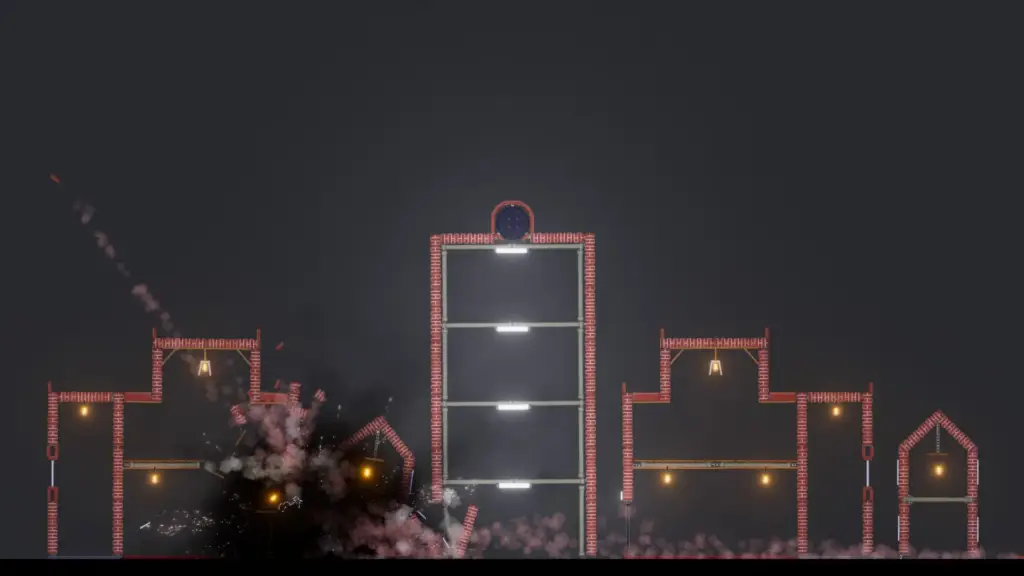
Tools And Objects
People Playground provides a wide range of interactive tools, physical objects, and mechanical components. These items allow players to build experiments, create chain reactions, and test how characters and materials respond to force, heat, electricity, and damage.
Weapons And Gadgets
Weapons in People Playground range from simple melee tools to complex firearms and energy devices. Players can spawn pistols, rifles, shotguns, and explosives, each with distinct firing behavior, recoil, and impact effects.
Explosives include grenades, mines, and timed charges. They produce measurable blast forces that interact with nearby objects and ragdolls based on distance and line of sight. Fire spreads across flammable materials, while shockwaves push loose structures apart.
The gadget category expands beyond combat. Players can use syringes filled with different substances, batteries that store charge, wires that transmit electricity, and buttons or switches that trigger connected devices.
Key gadget functions include:
- Power sources such as generators and batteries
- Activation tools like buttons, timers, and sensors
- Medical items including syringes and defibrillators
- Utility devices such as thrusters and winches
These tools support experimentation with physics systems rather than structured objectives.
Vehicles And Contraptions
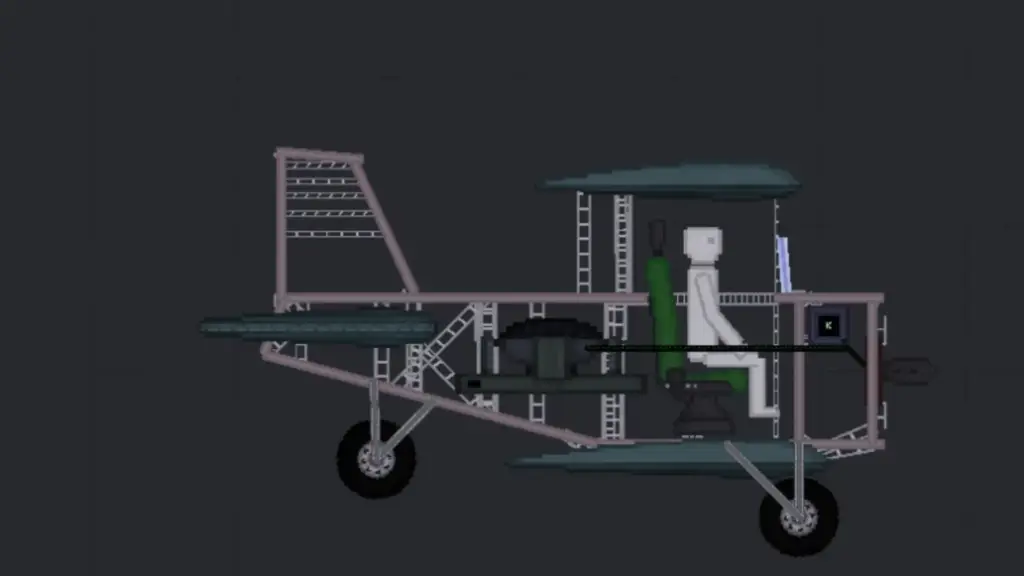
Vehicles operate as movable platforms built from physical components. The game includes drivable cars, tanks, and simple aircraft structures that respond to terrain and gravity.
Players often construct custom machines using wheels, engines, pistons, rotators, and metal beams. Each part follows physics rules, including weight distribution and joint stress. Poor balance causes tipping or structural collapse under pressure.
Mechanical parts connect through fixed joints, hinges, and sliders. Thrusters apply directional force, while gyroscopes help stabilize builds. Electrical wiring allows engines and lights to activate from a single switch.
Contraptions can range from basic carts to complex automated systems. The sandbox format encourages testing how interconnected pieces react under load, collision, or explosion.
Environmental Props
Environmental props shape the testing space and influence outcomes. Walls, floors, platforms, and barriers define boundaries and absorb or reflect force depending on material type.
Materials include wood, metal, glass, and concrete. Each reacts differently to impact and heat. Glass shatters under stress, wood burns gradually, and metal bends before breaking.
Decorative and functional props also appear, such as furniture, crates, lamps, and industrial equipment. These objects add mass, obstacles, or structural support within experiments.
Liquid containers, fuel tanks, and pressurized objects introduce additional variables. When damaged, they leak, ignite, or rupture based on surrounding conditions.
Together, these objects form a responsive environment where every item interacts through consistent physical rules.
Latest Mods
View All → People Playground 
 People Playground
  People Playground
  People Playground