 Tomodachi Life
Tomodachi Life
10 Mods 0 Tools 0 Articles 483 Downloads
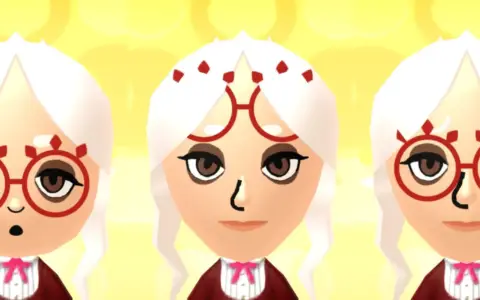
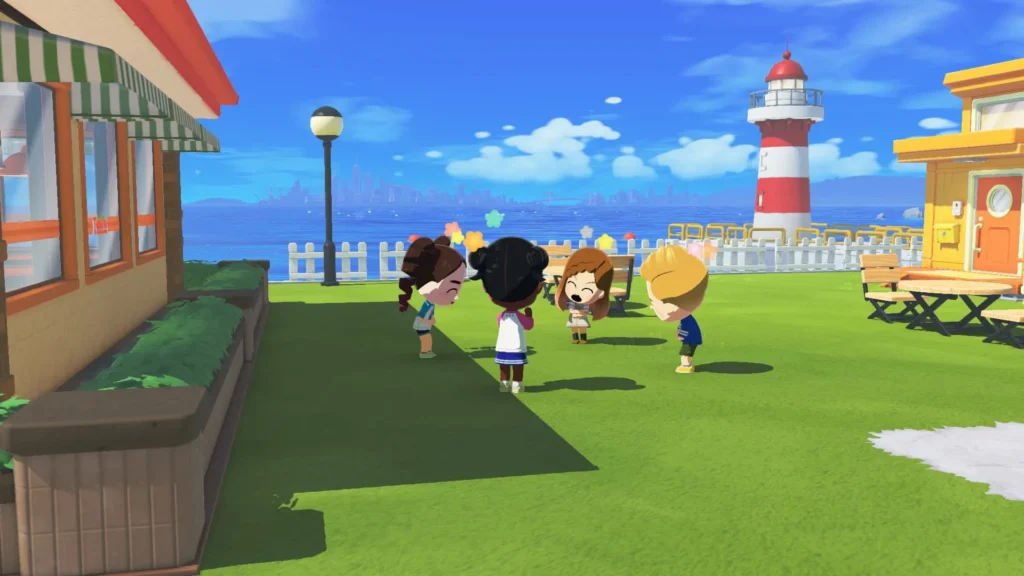
Tomodachi Life puts you in charge of a small, cartoon‑style island populated by Mii characters, each built from Nintendo’s familiar Mii creator. You can either import your friends’ Miis or create your own, then watch them move into houses, form friendships, and chase their own simple dreams. The game strips away timers, micropayments, and stressful progression, focusing instead on a relaxed, toy‑like experience where surprises come from the personalities and interactions of your tiny villagers. The result is a sandbox that feels more like a digital dollhouse than a traditional simulation.
Everyday Life And Silly Mini‑Stories
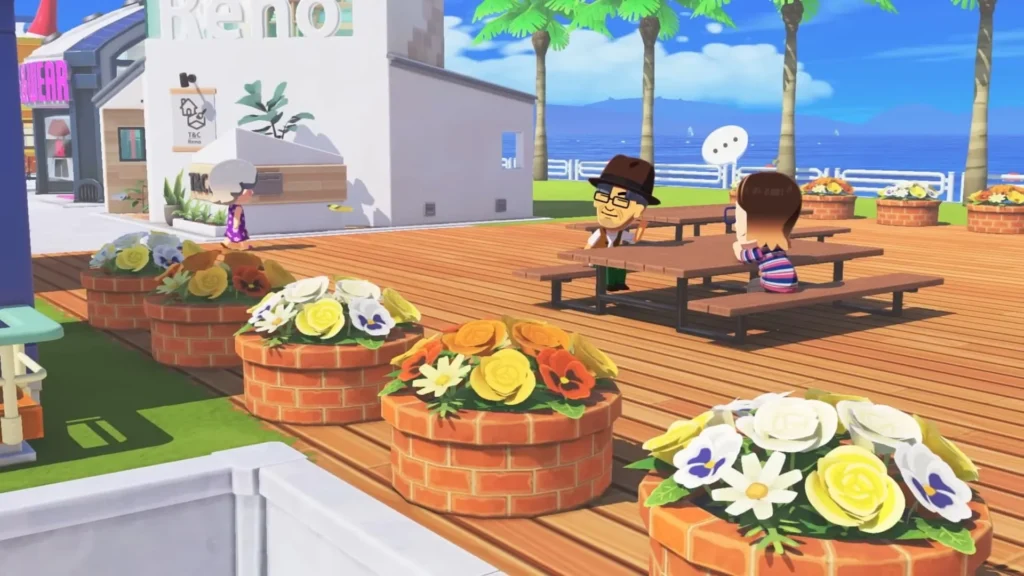
Daily life in Tomodachi Life is built around tiny, looping events rather than a big overarching story. You’ll meet Miis obsessed with bananas, others who can’t stop singing, and some who fall in love at first sight. The game generates short, self‑contained vignettes, such as one Mii trying to learn a new food, another preparing for a fortune‑telling guess, or a pair of Miis going on a blind date. These moments are light‑hearted, often silly, and sometimes unexpectedly heartwarming, turning the island into a collection of mini soap‑operas that you can nudge but never fully control. The unpredictability is a big part of the charm, as you never know which Mii is about to start a new obsession or friendship.
Relationships, Romance, And Friendship
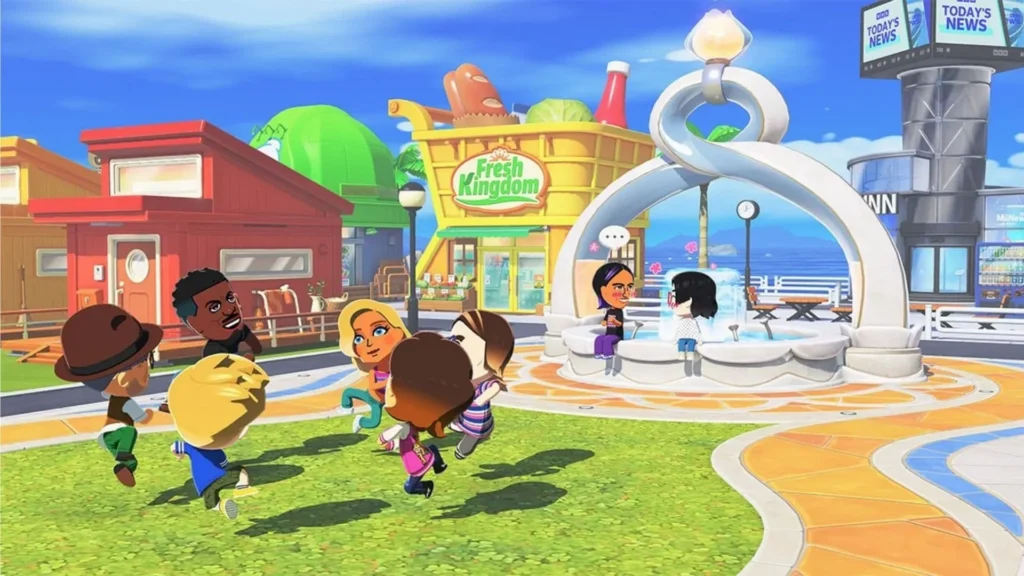
One of the core hooks of Tomodachi Life is watching relationships form between your Miis. Characters send messages, gift items, and express feelings, sometimes leading to romantic pairings and even marriages. The game includes playful, non‑explicit references to dating, parenting, and growing families, keeping the tone suitable for younger players while still giving more mature audiences something to smile at in the localization joke‑filled writing. Watching two Miis connect, support each other, or cause chaos together turns the island into a small, evolving social network where you can shape some choices, but the rest just unfold on their own.
Mini‑Games And Simple Activities
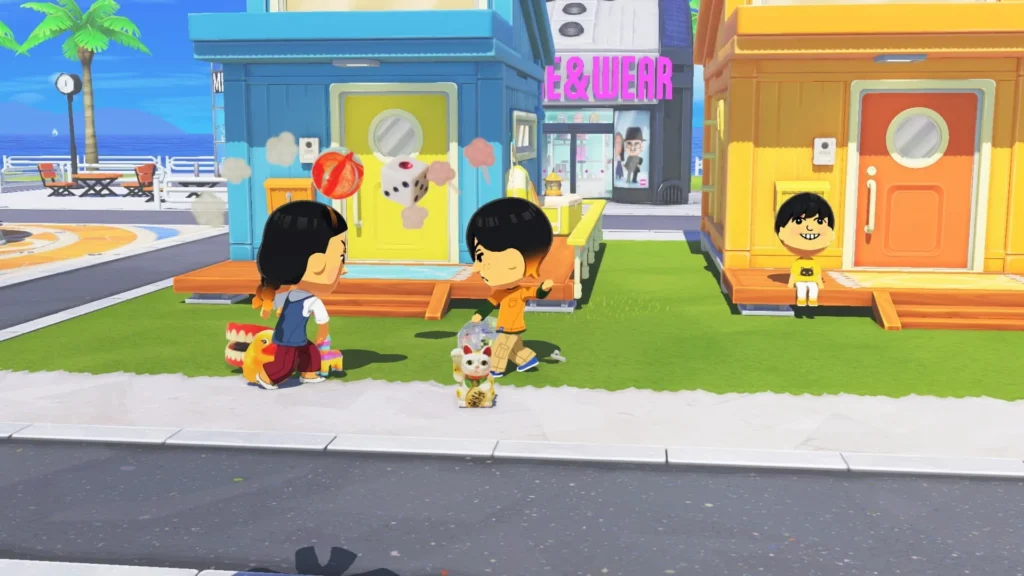
Interactions in Tomodachi Life are broken into short, easy‑to‑pick‑up activities rather than deep, demanding systems. You can play minigames that test timing, memory, or rhythm, help Miis overcome fears, or support them as they try new hobbies. The focus is on fun and variety, not difficulty, so the game rarely feels punishing. These activities also generate items, affection, and story triggers, which feed back into the larger web of relationships and events. The simple design lets players of all ages jump in quickly, play for a few minutes, and walk away satisfied.
Music, Messages, And Localization Humor
Music and messages are key parts of the atmosphere in Tomodachi Life. Each Mii can record short messages or sing songs, which are then shared with others on the island, often leading to funny miscommunications or inside jokes. The Western localization is packed with playful, self‑aware humor that turns the game’s strange situations into running gags, making repeated visits feel funnier as patterns emerge. The soundtrack itself is light, melodic, and slightly quirky, matching the toy‑like, just‑silly‑enough tone of the experience.
Tomodachi Life As A Chill Time‑Killer
Released originally on the Nintendo 3DS, Tomodachi Life works best as a casual, pick‑up‑and‑play title rather than a game meant to be “finished.” The island never truly stops changing, because Miis constantly evolve, drift apart, form new bonds, and create new stories. For players who enjoy cozy, non‑competitive games, people‑watching, and gentle humor, Tomodachi Life offers a small, self‑contained world where the goal is not to win, but simply to watch what happens next.
Latest Mods
View All → Tomodachi Life 
 Tomodachi Life
  Tomodachi Life
  Tomodachi Life