 Wuthering Waves
Wuthering Waves
1 Mods
0 Tools
0 Articles
14 Downloads
Wuthering Waves brings together exploration, combat, movement, and atmosphere in a way that makes the world feel alive from the first moments onward. The game stands out because it does not rely on one idea alone, it combines stylish battles, open-world freedom, character progression, and a strong sense of discovery into a single experience that feels both polished and energetic. The title itself carries a dramatic, almost poetic tone, and that fits the game well, because Wuthering Waves leans into motion, momentum, and a setting that encourages players to keep pushing ahead. Whether you notice the fluid traversal, the combat rhythm, or the way the world unfolds piece by piece, the game makes a clear impression through presentation and pace. That combination is what makes Wuthering Waves such a compelling subject for a game article, because it has the kind of identity that invites attention and rewards deeper exploration.
A World Built For Movement
One of the biggest strengths of Wuthering Waves is how naturally movement fits into the experience. Open-world games can sometimes feel slow or heavy, but this one seems designed to keep players in motion. The world encourages climbing, gliding, dashing, and moving through environments with a sense of speed that makes exploration feel active rather than passive.
That matters because movement is not just a mechanic here, it is part of the game’s personality. When a game lets players travel smoothly and fluidly, the world becomes easier to enjoy. Wuthering Waves appears to understand that idea well, using traversal to make every journey feel more dynamic.
Combat With Energy
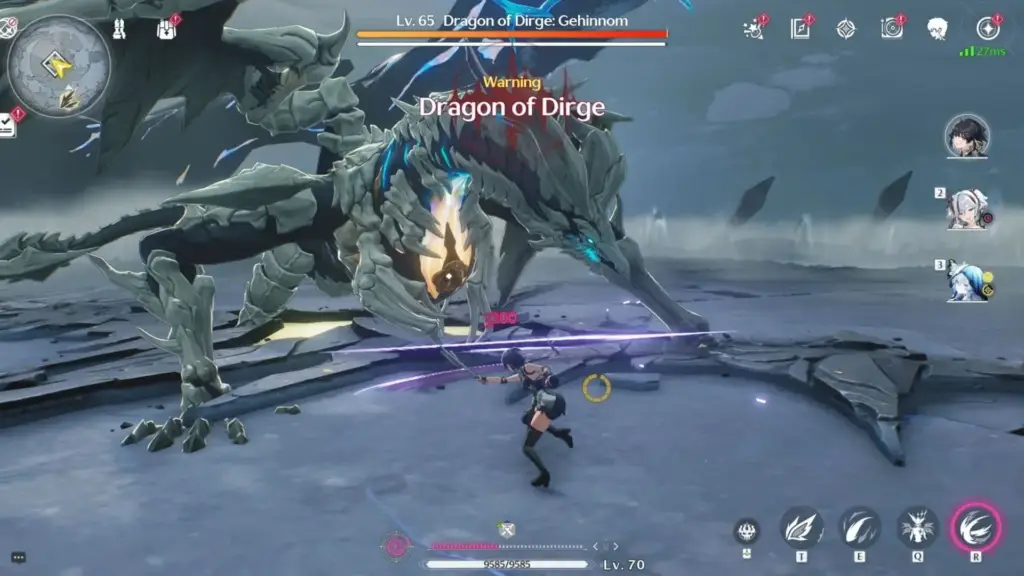
Combat is another area where Wuthering Waves leaves a strong impression. Fast action, responsive timing, and character abilities all help create battles that feel sharp and engaging. Instead of making fights feel like routine encounters, the game gives them a sense of rhythm that keeps players alert.
That style works especially well in a game that already values speed and momentum. When combat matches the energy of the world, the whole experience feels more cohesive. Wuthering Waves uses that cohesion to make each encounter feel like part of a larger flow rather than an isolated event.
Characters And Progression
Characters matter a great deal in Wuthering Waves, both in terms of combat and overall appeal. Strong character design helps give a game personality, while progression systems give players a reason to keep building and improving their teams. That combination is a huge part of what keeps players invested over time.
As characters grow stronger and new options open up, the game becomes more flexible. Players can experiment with different styles, adjust their approach to battles, and shape the experience in a way that feels personal. That sense of ownership is one of the reasons people stay with games like this for the long run.
Atmosphere And Presentation
Wuthering Waves also stands out because of its atmosphere. A strong visual identity can make an open-world game feel much more memorable, and this one seems built around striking scenery, dramatic tone, and a world that feels like it has its own personality. That is important because players often remember how a game looks and sounds just as much as what it asks them to do.
When presentation is strong, even simple moments feel more meaningful. A quiet path, a distant structure, or a sudden battle can all leave a bigger impression if the world around them feels carefully designed. Wuthering Waves uses that strength well, creating a sense of style that supports the gameplay instead of distracting from it.
Latest Mods
View All →
Wuthering Waves
