 Dusklight
Dusklight
1 Mods 0 Tools 0 Articles 57 Downloads
Dusklight stands out as a video game built around atmosphere, quiet tension, and the feeling that every corner of its world holds something worth noticing. The title itself already suggests twilight, shadow, and a world caught between states, which gives Dusklight a distinct identity before the player even sees a single scene. That kind of presence matters in game writing because it shapes expectations around tone, pacing, and style, and Dusklight feels like the kind of project that invites curiosity from the start. Its world can be read as something more than a setting, it becomes part of the experience, something that guides the player through exploration, discovery, and moments that feel deliberately calm one minute and unsettling the next. A game with this kind of mood does not need to rush to make an impression, because its strength comes from subtlety, strong presentation, and the way it lets the atmosphere do much of the speaking.
A World Of Shadows
The appeal of Dusklight begins with its setting. A game like this often succeeds when the world feels carefully shaped, with lighting, color, and environmental detail working together to create a specific emotional tone. Dusklight suggests a place where the edges of the map matter just as much as the center, where players are encouraged to look, listen, and move through the space with attention. That kind of design can make even simple moments feel more meaningful.
When a game commits to mood, it gives players a reason to stay immersed. The world does not just serve as a backdrop, it becomes part of the storytelling. In Dusklight, that can turn quiet paths, hidden structures, and distant landmarks into features that feel memorable long after the session ends.
Movement And Discovery
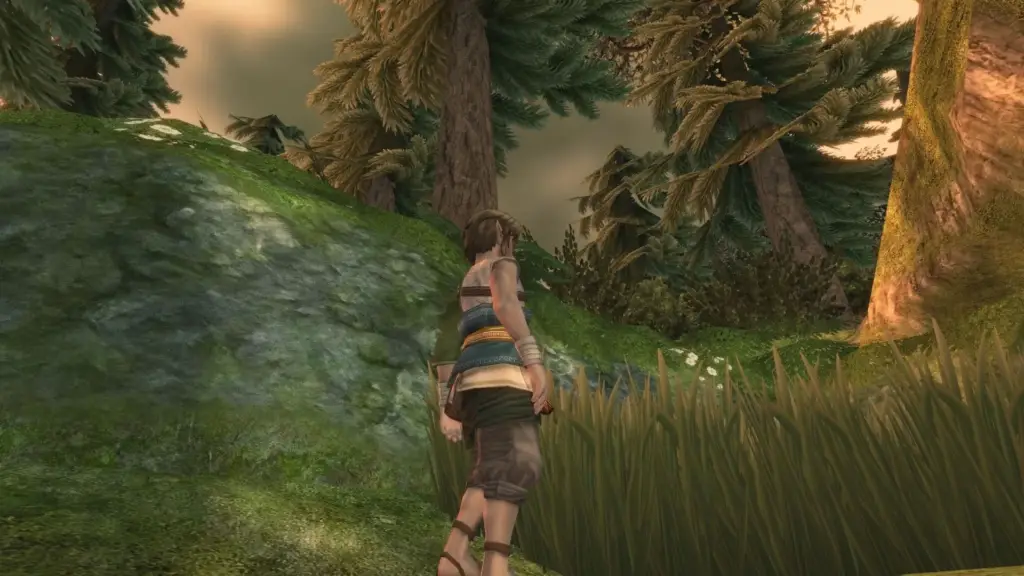
Exploration is often what gives atmospheric games their staying power, and Dusklight has the kind of name that fits that style perfectly. A player moving through its world should feel that there is always something just beyond view, something that might reward patience or curiosity. That creates a stronger sense of progression because every new area carries the promise of another reveal.
The best exploration systems do not overwhelm the player. They invite them forward. Dusklight seems well suited to that kind of design, where movement feels deliberate and discoveries feel earned. The result is a game flow that can be calm without becoming dull, and mysterious without becoming confusing.
Gameplay Identity
A game with a strong tone still needs a clear gameplay identity, and Dusklight appears to build its appeal from that balance between style and interaction. Whether the focus is combat, traversal, puzzle solving, or story progression, the way those systems connect will shape how the game feels in practice. A good atmospheric title usually gives the player just enough structure to guide them, while leaving room for experimentation and interpretation.
That balance matters because it keeps the experience engaging over time. If every action feels tied to the game’s mood, then even routine tasks can take on a stronger sense of purpose. In Dusklight, that could be one of the main reasons players keep coming back.
Why The Title Works
Some game titles explain themselves immediately, while others build curiosity through suggestion. Dusklight belongs to the second group. It sounds expressive and slightly poetic, which makes it memorable in a way that is useful for a game with a strong visual or emotional identity. The word itself hints at a transition, a liminal space, or a world defined by soft light and long shadows.
That kind of title gives the game room to breathe. It does not lock the player into one expectation, which can be a strength when a game wants to blend atmosphere, mystery, and exploration into one experience. Dusklight has the kind of name that feels like it belongs to a place, not just a product.
Latest Mods
View All → Dusklight 