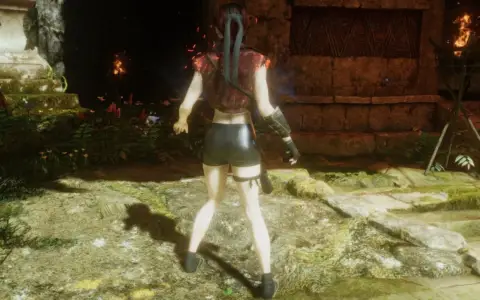
 Nioh 3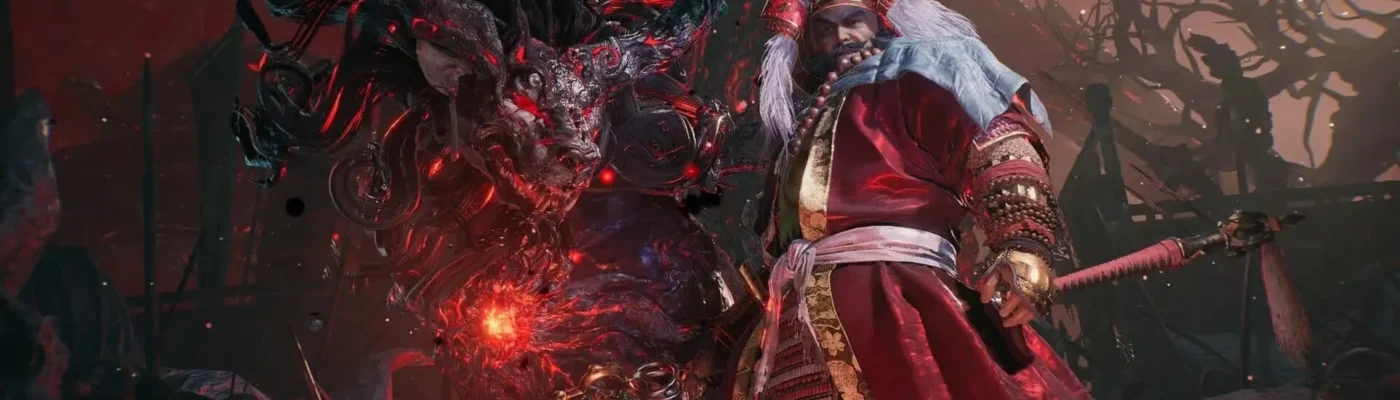
Nioh 3
5 Mods 3 Tools 0 Articles 282 Downloads
In Nioh 3, players step into the armored boots of Tokugawa Takechiyo, the shogun‑to‑be and grandson of Tokugawa Ieyasu, as he battles supernatural yokai and warring factions across a hauntingly beautiful recreation of Japan’s Sengoku period. The game sits after the events of Nioh and Nioh 2, acting as both a narrative climax and a mechanical evolution for Team Ninja’s dark samurai action RPG franchise. With fully customizable protagonists, open‑field exploration, and two distinct combat styles Samurai and Ninja Nioh 3 refines everything fans love while adding traversal freedom, verticality, and a denser skill web. From clutch‑timing Ki Pulse and Arts Proficiency bursts to guardian spirit transformations and ninja tools, the title delivers a combat system that feels at once familiar and thrillingly new.
A Story Of Warlords And Yokai
Set in a demon‑plagued version of Japan’s Warring States era, Nioh 3 pits the player in the middle of a struggle for power between ambitious warlords and ancient yokai. Tokugawa Takechiyo’s journey is one of both personal growth and political ascendance, as he seeks to unify the land while confronting the supernatural forces that prey on humanity’s chaos. The narrative leans into the series’ signature blend of historical fiction and myth, weaving in legendary figures and events while expanding the lore of the Crucible and the Nioh universe. Side quests and hidden points of interest flesh out the world, letting players uncover additional context, lore fragments, and character backstories as they claw their way toward the shogunate.
Dual Combat Styles: Samurai And Ninja
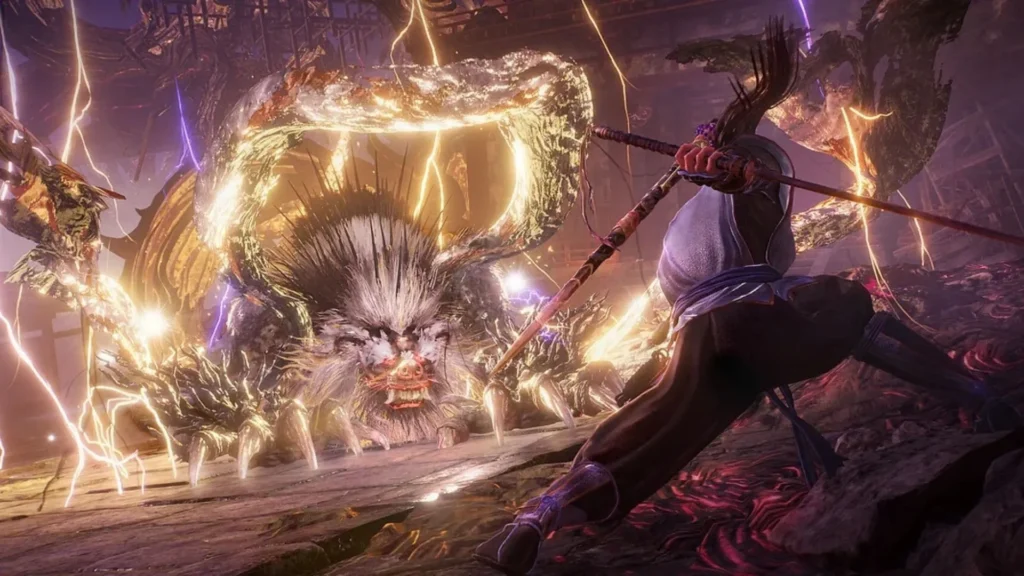
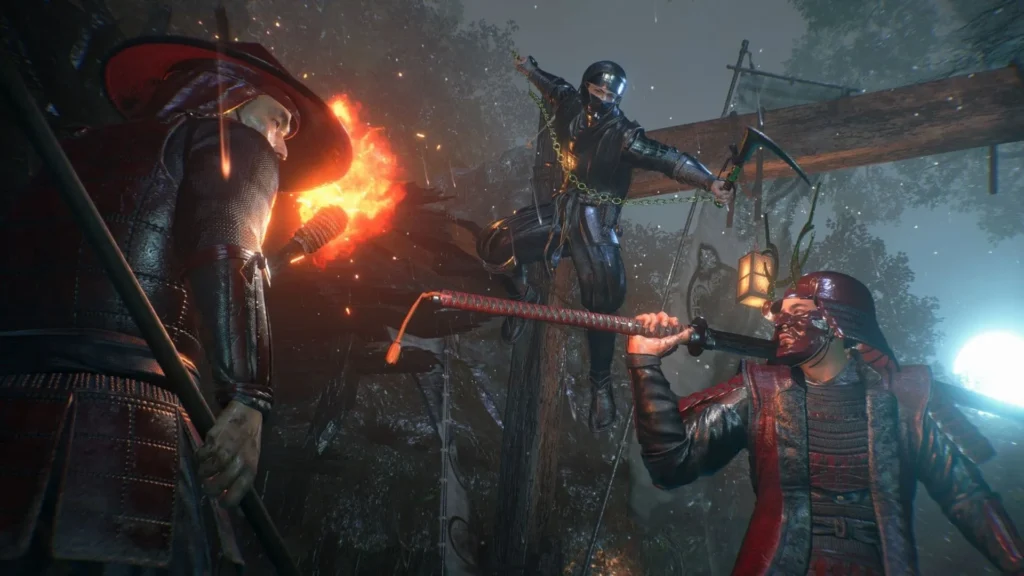
Nioh 3’s most defining gameplay twist is the seamless switching between two full combat styles: Samurai and Ninja. In Samurai mode, players wield traditional weapons such as katana, longsword, and dual blades across three stances, leaning into the series’ deep Ki management system. The familiar Ki Pulse mechanic lets players restore stamina mid‑combo by pressing the right button at the correct moment, while the Arts Proficiency gauge unlocks powerful finishing strikes after landing a string of successful attacks. The Ninja style, by contrast, trades heavy stances for speed and trickery. Ninjutsu, aerial maneuvers, and ninja tools replace classic weapon stances, while the new Mist system lets players create clones to distract enemies and enable quick dashes behind them for devastating follow‑ups. Equipment and skill sets are separate for each style, but the ability to swap on the fly keeps combat dynamic and encourages experimentation.
Exploration And Open‑Field Design
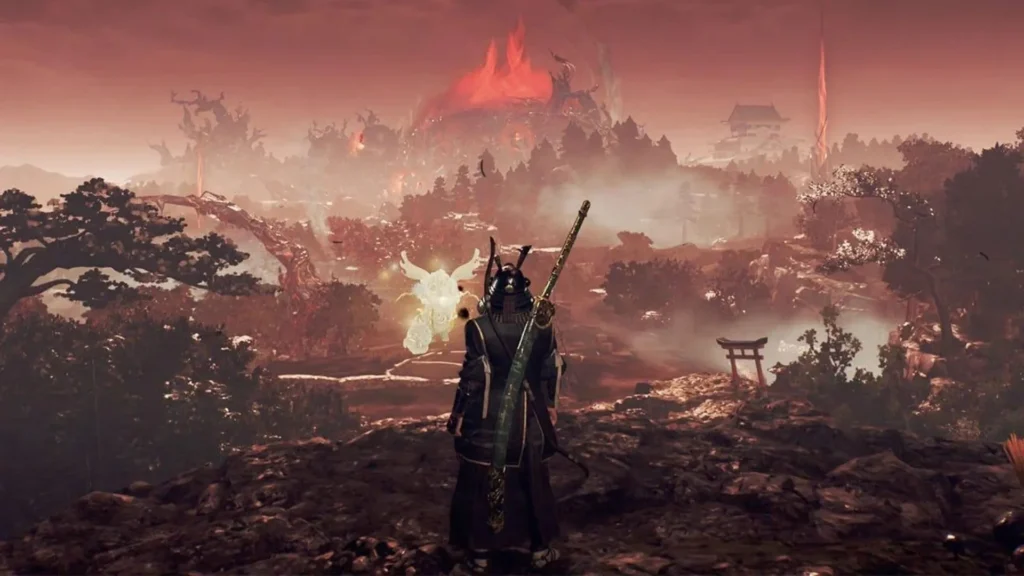
Moving away from the more linear stages of earlier Nioh entries, Nioh 3 introduces expansive open fields that can be explored on foot, with jumping and new traversal skills made available as players progress. These open areas are packed with hidden paths, side quests, Crucible Wraiths, and environmental puzzles, rewarding thorough exploration with better gear, crafting materials, and story fragments. Spirit Veins and guardian spirits not only boost combat power but also unlock new routes and harder encounters, mirroring the series’ tradition of gatekeeping progression behind mechanical mastery rather than simple level gates. The level design encourages players to revisit regions with upgraded skills and spirits, revealing secrets that were previously out of reach.
Customization, Gear, And Builds
Character creation returns in full force, letting players fine‑tune their protagonist’s physique, facial features, voice, and overall appearance, with separate cosmetic options for Samurai and Ninja forms. Gear and build design remain deeply customizable, with multiple weapon types, stances, amulets, and Soul Cores that rearrange how players approach encounters. The expanded systems around guardian spirits, debuffs, status effects, and elemental Ninjutsu allow for highly specialized builds, whether you want a glass‑cannon Damage‑dealer, a tanky Ki‑saving Samurai, or a hit‑and‑run Ninja assassin. Replay value is reinforced by the way different builds change how the same open fields and bosses feel, encouraging multiple runs with distinct playstyles.
Multiplayer And Online Modes
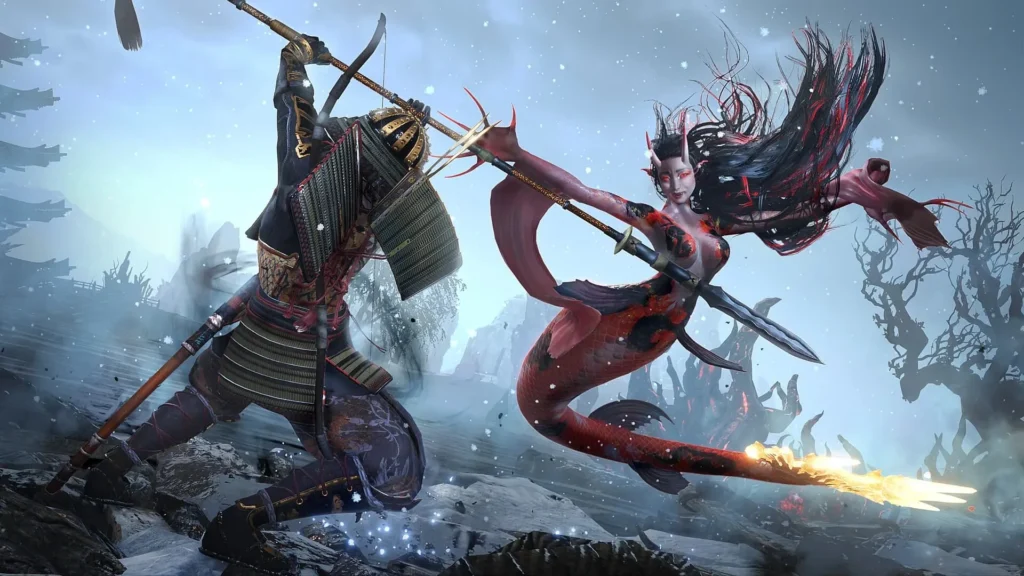
In addition to its weighty single‑player campaign, Nioh 3 offers meaningful online interaction. The Summon Visitor mode lets players call in another human teammate to help with devastating boss fights, sharing the burden of the series’ notoriously tough encounters. The Expedition mode opens up cooperative exploration of the open fields, allowing two players to traverse large areas together, share loot, and tackle optional challenges. Both modes are designed to keep the tone of Nioh intact, emphasizing coordination and skill‑based play rather than simple bullet‑sponge co‑op.
Visuals, Performance, And Platforms
Running on PlayStation 5 and Windows PC, Nioh 3 takes advantage of modern hardware to deliver high‑frame‑rate combat, detailed character models, and atmospheric lighting across mist‑shrouded battlefields and ruined castles. The art direction leans into the dark, spectral beauty of feudal Japan, blending practical samurai aesthetics with eerie yokai designs and dramatic particle effects. Optimized for both console and PC, the game supports various resolutions and frame‑rate options, aiming to keep the fast‑paced combat smooth and responsive even during the most chaotic encounters.
Nioh 3’s Place In The Series
As the third mainline entry, Nioh 3 feels like both a culmination and a reinvention of what Team Ninja has built over the series. It carries forward the core identity of brutal combat, rewarding progression, and rich lore, while expanding the scope with open fields, traversal freedom, and a second combat style that recontextualizes the player’s relationship with every fight. For veterans and newcomers alike, Nioh 3 stands as the most ambitious and polished chapter yet in the dark samurai saga, offering a blend of deep mechanical complexity and cinematic spectacle that only this series can deliver.
Latest Mods
View All → Nioh 3 
 Nioh 3
  Nioh 3
 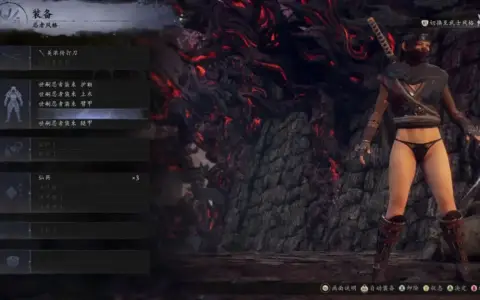 Nioh 3
 Latest Tools
View All → Tool Nioh 3
  Tool Nioh 3
  Tool Nioh 3